Which Couverture Makes Sense for a First Batch?
Choose couverture for the piece you want to make, not just for the cocoa percentage on the bag. A chocolate that tastes right in a filling may be too thick for a thin moulded shell. Two dark couvertures with the same printed percentage can flow and set differently.
For a first batch of moulded chocolates, I would look for an all purpose fluidity and a clear tempering curve on the pack. The first test is a small piece: does it set evenly, release from the mould and break cleanly? That tells me more about this project than the percentage alone.
Start with the finished piece
Couverture contains cocoa butter and is made to flow for work such as moulding and coating. More cocoa butter can make a chocolate more fluid, but the exact mix of cocoa mass, cocoa butter, sugar and any emulsifier affects its behaviour. The cocoa percentage combines cocoa ingredients. It does not tell you how much of that total is cocoa butter or how thin the melted chocolate will spread.
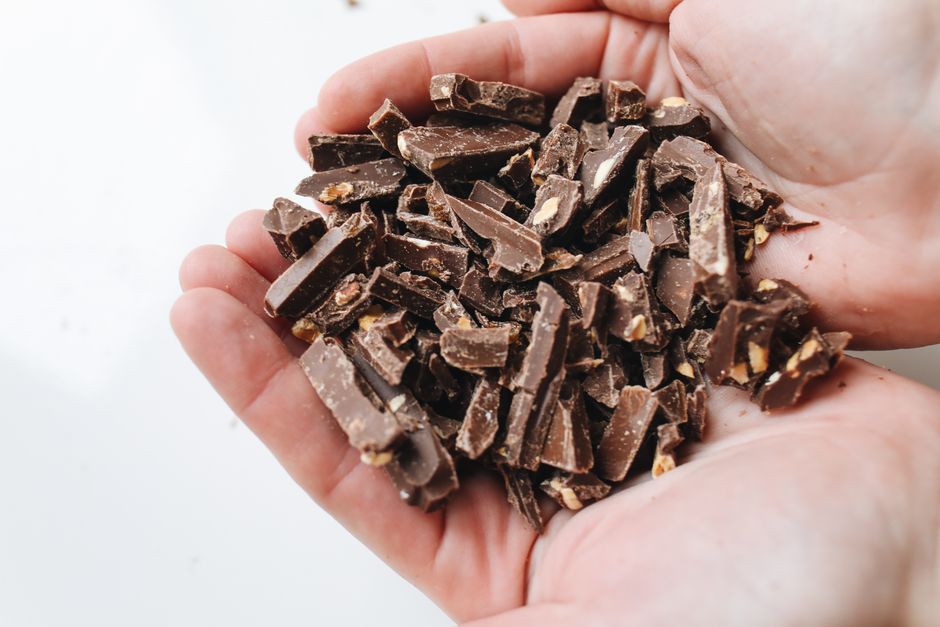
For a plain moulded piece or a simple coating, a versatile couverture gives you room to learn. A very fluid one suits a thin shell, while a thicker one can suit a larger moulded figure. Callebaut marks these uses with drops on its own packs: three drops for general use, four for thin moulded shells and five for a thin layer over a broad biscuit. Use the maker's application guide when another brand uses a different system.
Read the fat on the label
A couverture ingredient list may include cocoa mass, cocoa butter, sugar and, for milk chocolate, milk ingredients. A compound coating uses vegetable fat in place of cocoa butter. It is usually easier to melt and set without classic tempering, but it gives a different melt and bite. That can be a reasonable choice for quick drizzles or cake pops. If the goal is a thin shell with a clean snap, choose couverture and allow time to temper it.
Do not try to make a compound coating behave like couverture by following a cocoa butter tempering curve. Mixing the two fat systems without a tested recipe can also change how the finished piece sets.
Check the working instructions
Couverture for a shell needs tempering: melting, cooling and gentle reheating to form stable cocoa butter crystals. Done well, it sets with shine and contracts from the mould. A dull surface, soft break or poor release can point to a tempering problem rather than the wrong brand. Keep the product's own temperature curve, since dark, milk and white chocolates do not share one set of working temperatures.
Seeding is one method suited to a home kitchen. Melt most of the couverture, add some solid chocolate of the same kind while stirring, then follow the pack's cooling and working temperatures. You need a thermometer, but not a marble slab. Test a small smear or dipped knife before filling a mould. If it stays soft or sets dull, check the temper before blaming the couverture's natural thickness.
Keep one useful batch note
Record the exact product, its stated fluidity, the room temperature and how a small test piece sets. Look at its surface, its release and its snap. If you change couverture next time, repeat that test. Matching the cocoa percentage is not enough to predict the same flow or finish.
For the first project, choose the flavour you want in a couverture whose pack names your intended use and gives a tempering curve. Then make a small test piece before committing the whole batch.